This is the daily format of earnings season: on every trading day we will concentrate here the significant reports - the morning reports, followed by the evening reporters - what was published, and what the numbers really say.
What Was Already Published This Morning
General Motors: A Strong Quarter - and Unexpected Help from the Supreme Court
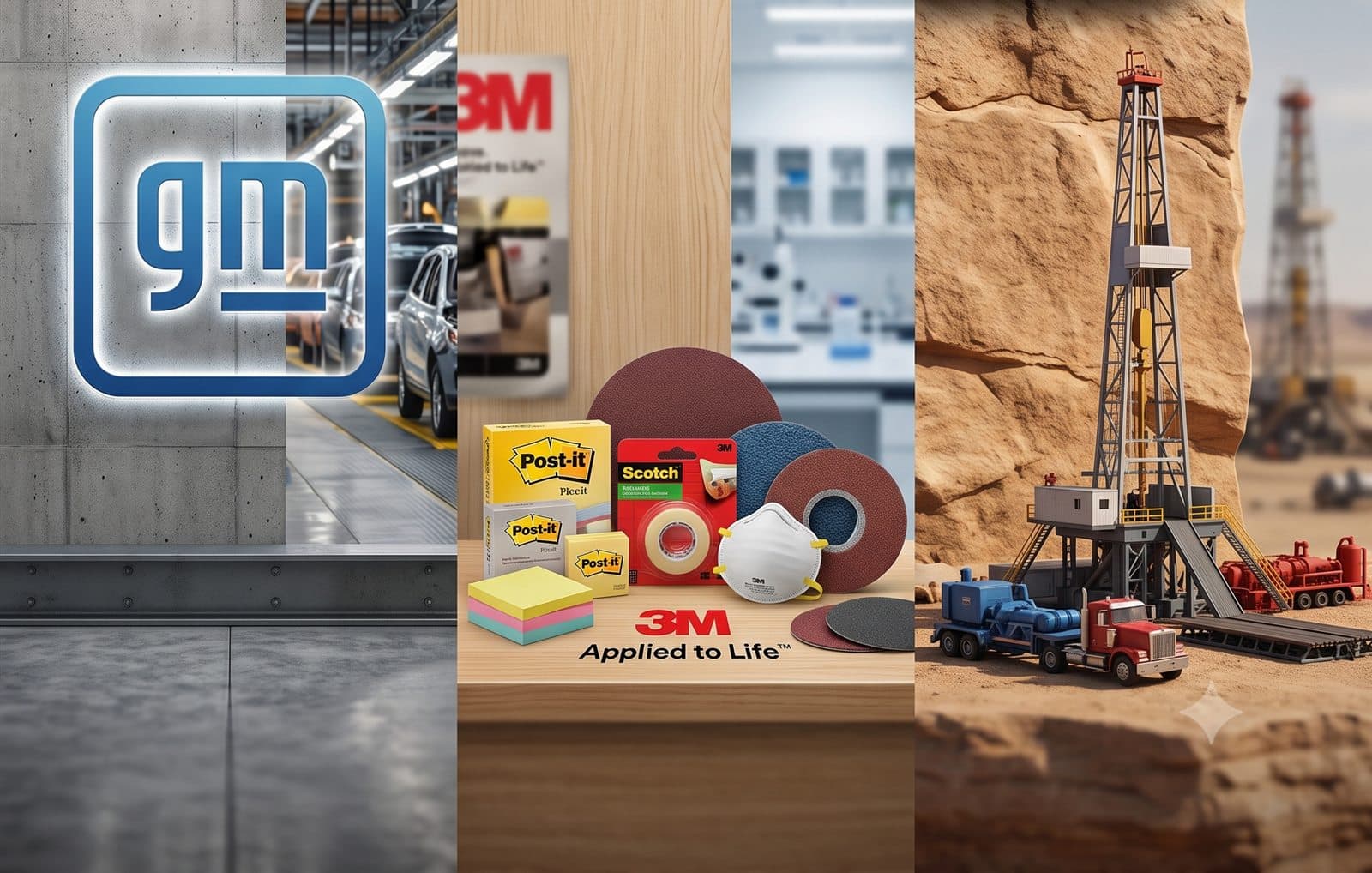
The Detroit auto giant, owner of Chevrolet, Cadillac and GMC, opened the morning with a clear beat: adjusted EPS of $3.57 versus an estimate of about $3.20, on revenue of $48 billion. But the real headline is the guidance: GM raised its adjusted operating profit guidance for the full year for the second time this year - to a range of $14-16 billion ($12-14 per share), alongside a raise of the free-cash-flow guidance.
And where did part of the improvement come from? From an unusual direction: the U.S. Supreme Court's ruling on tariffs collected under the emergency-powers law (IEEPA) credited the company with a positive adjustment of about half a billion dollars, and GM lowered its annual tariff-cost estimate to a range of $2.5-3.5 billion. Alongside this, precision is due: the net-income guidance was actually lowered, among other things due to non-operating expenses - a reminder that the small print is worth reading too.
The meaning: the American consumer is still buying pickups and SUVs at full prices, and the easing of the tariff burden - if it holds - is a tailwind for all the manufacturers. Another positive signal for the "old economy" thesis we saw yesterday.
3M: The Operational Turnaround Continues - and Guidance Rises Again
The industrial company from St. Paul, whose products are in almost every home and factory, posted a second consecutive quarter of acceleration: organic growth of 5.4%, adjusted EPS of $2.40 (up 11%), and adjusted operating margins of almost 25%. Management raised the annual earnings guidance to a range of $8.80-8.95 per share - a second raise this year - and the stock responded with a jump.
The meaning: 3M is a broad thermometer of the real economy - its products serve construction, electronics, medicine and aviation. When it manages to accelerate organic growth and expand margins at the same time, that is evidence of healthy industrial demand and not just efficiency. Together with yesterday's steel figures, the week's industrial picture is consistently positive.
Halliburton: Oil Services Beat the Estimate - and Cash Flow Improves
The energy-services giant from Houston - among the biggest names in the world in drilling, well completion and oilfield services - posted a stronger-than-expected quarter: revenue of $5.71 billion (growth of 3.7%, about 3.6% above consensus) and adjusted EPS of 55 cents, above expectations. The standout figure: free-cash-flow margins climbed to about 11.7% of revenue, versus 9.8% in the comparable quarter - a marked improvement in cash-generation ability.
The meaning: after we saw yesterday the Iran war hitting Ryanair through fuel prices, Halliburton recalls the other side of the same coin: a tense energy environment sustains drilling activity and the pricing of the service providers. And in a broader context - the electricity demands of the AI era, which we covered in the power scarcity piece, support gas and energy investment over time. Another link in the picture of an "old economy" functioning well.
The Morning's Bottom Line
Two days into the week, and the "strong old economy" thesis only strengthens: steel, banks, insurance, packaging - and now autos and industry too - all beating forecasts, and some raising them. This backdrop matters especially this evening, because tomorrow (Wednesday) comes the week's moment of truth: the reports from Alphabet and Tesla after the close, alongside IBM and ServiceNow. A market that enters them with a stable real economy absorbs surprises better.
The Reports Published After the Close
Alaska Air: The Iran War Reaches the American Airlines Too
What Ryanair told us in the morning in Europe, Alaska Air confirmed in the evening from Seattle: revenue actually grew almost 10% to $4.07 billion, but the bottom line flipped to a loss of 92 cents per share (versus a profit of $1.78 a year ago) - milder than expected, but a loss. The central culprit is unequivocal: the price of jet fuel jumped 85% to about $4.43 per gallon. The meaning: the Strait of Hormuz risk premium is no longer geopolitical theory - it is an expense line in the reports of airlines on both sides of the ocean. Worth remembering ahead of American Airlines on Thursday.
Alongside it, the insurance giant Chubb also reported its results - we will expand on them in the coming reviews to the extent they are material to the picture.
Sources: the companies' official SEC filings (8-K) and the results announcements of General Motors and 3M, and ongoing international coverage - accurate as of the time of writing. The charts are shown in real time via TradingView. Nothing herein constitutes a forecast, recommendation or advice.


