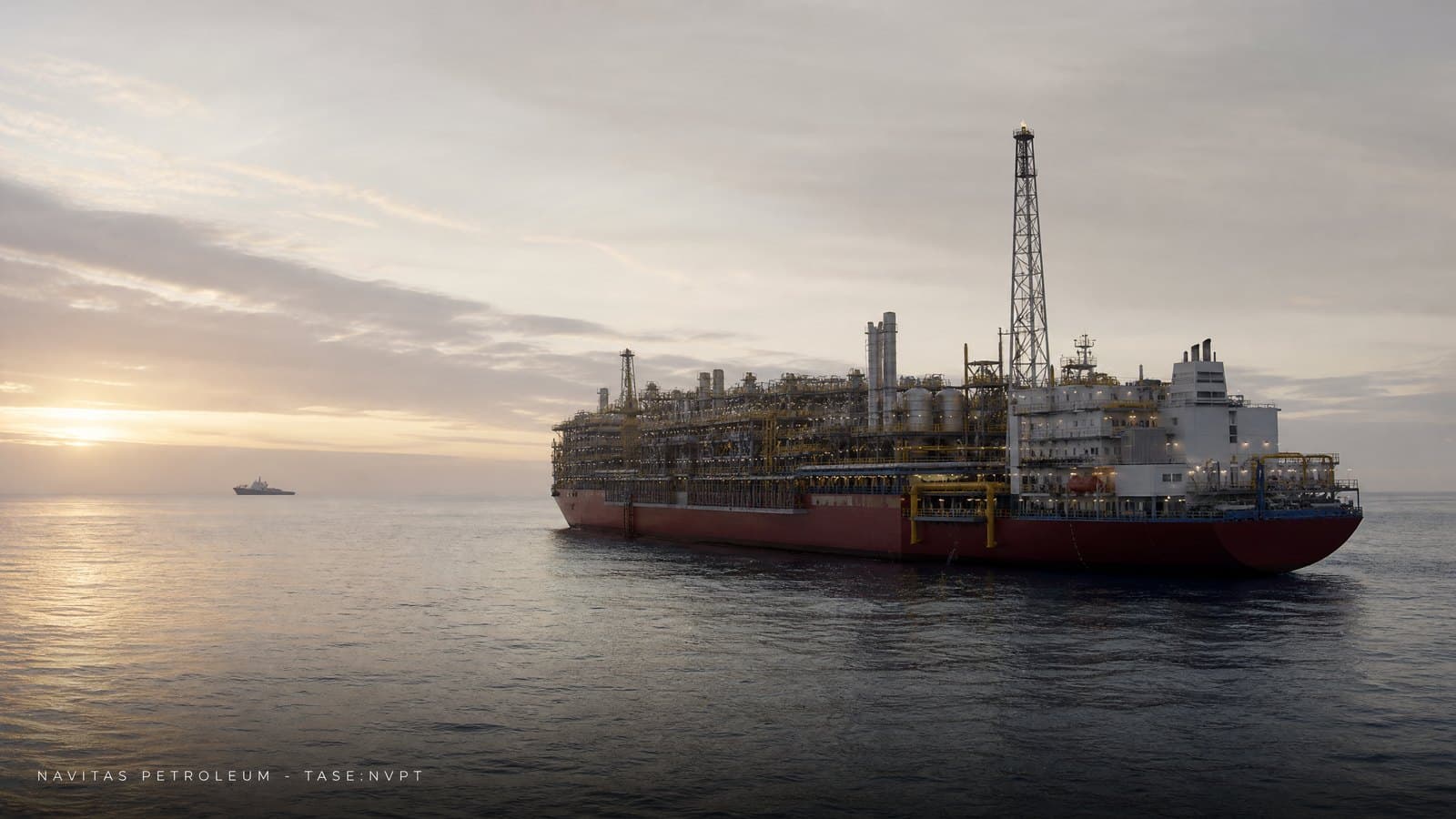
This is a structural review of a quarterly report filed today. It is not investment advice, a recommendation to act, or investment marketing. Every figure was taken from the structured filing submitted to MAYA (report 1765471, second quarter 2026, in dollars), and the ratios were computed directly from it.
The figures as filed
| Line | Amount | Of revenue |
|---|---|---|
| Revenue | 279.2 USD million | 100.0% |
| Gross profit | 196.0 USD million | 70.2% |
| Operating profit | 181.3 USD million | 65.0% |
| Pre-tax | 109.3 USD million | 39.1% |
| Net profit | 77.2 USD million | 27.6% |
First of all: this report is in dollars
That is not a footnote. Israeli oil and gas partnerships, refineries and airlines report in dollars, and a dollar figure read as shekels is inflated more than threefold. USD 279.2 million is not ILS 279.2 million.
A margin that describes the industry, not the management
Gross profit stands at 70.2% of revenue, and operating at 65.0%. Between the two lines only USD 14.7 million was absorbed - meaning administrative and selling expenses barely exist relative to turnover.
This is the shape of oil and gas production: the running cost of producing from an existing well is low, and there is no sales organisation. What is absent from these lines is the investment that preceded them - drilling and development are recorded on the balance sheet and depreciated over years, so a 65% operating margin does not mean the business is cheap to run. It means the cost was already paid.
What was absorbed: USD 72.1 million below the line
Of the USD 181.3 million operating profit, USD 109.3 million remained before tax. Along the way USD 72.1 million - 39.7% of operating profit was absorbed, principally financing.
The balance sheet explains it: USD 3,406.3 million against equity of USD 836.6 million - a ratio of 4.07 to one. Production projects are financed with project debt, and nearly forty percent of operating profit goes to service it.
And the tax line: of USD 109.3 million, USD 77.2 million remained - an effective rate of 29.4%, higher than is common in Israeli industrial companies.
What this report does not say
The structured filing submitted to MAYA does not include the comparable quarter a year earlier, so everything written here is a cross-section of a single quarter - not a trend. From these figures alone it is impossible to say whether an improvement or an erosion continues, and no run-rate can be derived from them. Those answers live only in the full report and its notes.
And a note that applies to every review here: the structure described is neither "good" nor "bad." It is a shape, and a shape behaves differently in every industry. The review describes what is happening - it does not evaluate and does not recommend.


